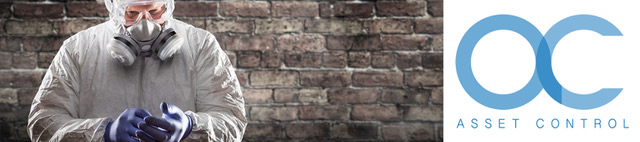
Cleaning services, which traditionally have been an out of hours function, are now seeing modified shift patterns to provide a very different level of service to businesses and buildings.
Since the start of the pandemic, people around the world have been advised about the best hygiene practices, triggering a surge in the sale and use of cleaning products and hand sanitisers. However, these instructions rarely come with advice about responsible use – or the consequence of misuse, according to InnuScience.
A recent Bloomberg Law report said “businesses across the globe have begun intensive Covid-19 disinfection regimes which may be exposing workers and consumers to chemicals that are largely untested for human health”. It says this is “alarming health and environmental safety experts” because disinfectants can be harmful to cleaning workers and building users.
Health risks include neurological, dermatological, and reproductive problems as well as an array of respiratory ailments.
Other experts agree, including InnuScience vice president of scientific affairs Steve Teasdale: “Systematic overuse of disinfectants is common and has grown worse due to the pandemic. What we need is ‘justified disinfection’ to address this problem,” he says. His company defines justified disinfection as “the principle that effective cleaning using high-quality detergents across non-critical touch surfaces is as effective, if not more effective, than the widespread, systematic use or abusive use of disinfectants”.
ENGIE managing director corporate Craig Butt says businesses have spent many years removing physical barriers in workplaces to support collaboration and productivity, whilst increasing occupancy levels through concepts like hot-desking.
“However, in the post-Covid world, these workplaces are being challenged by new restrictions and practices. To support this cultural shift, a new type of workplace is emerging, which we call ‘Workspace 2’. “The priority is to protect health and wellbeing. The FM response has been to rebuild some of the barriers that businesses have spent time removing,” he continues. “While these physical changes are necessary, our view is that we should not lose sight of the fundamental purpose of the workplace, which is to support collaboration and productivity by providing a great experience for employees and customers. “As we adjust to new realities, we should take the opportunity to remove barriers in new ways. At one level, this involves measures like reducing occupancy levels and adopting shift patterns, but it can be taken further through smart technologies, such as ‘smartphone-as-a-pass’, touch free building access, remote monitoring and other technologies that build more flexibility into the way we organise our work and our workplaces. “By automating aspects of workplace management, adopting Covid-compliant maintenance, cleaning, security and catering processes, and using technology to facilitate flexible working, businesses will be better prepared to adapt to any future outbreaks,” Mr Butt concludes.
At Asset Control our research further suggests that the past few months have seen a considerable and perhaps permanent shift in our working practices. Many workers are not keen to return to their pre-lockdown working routines and the number of employees not wanting to return to the office at all, has quadrupled since April.
“Our research shows that almost 75% of workers want more flexible working options when they return to the corporate work environment. With 43% of employees concerned about having to revert to a costly commute, it’s also important to recognise the financial pressure commuting places on many workers” says our CEO John Keramianakis
“Businesses would do well to ensure that office versus remote working is not seen as a binary choice. Options to work remotely or return to the corporate space in a flexible manner should be considered. The key to the raising of the FM profile is making apps and systems available to the end-users that encourage engagement and collaboration with the FM team. Changes affecting the workplace can be easily communicated as well as providing tools that make new services accessible,” says Keramianakis. Naturally these changes will also have a direct impact on cleaning services and the need for hygiene practices and should be taken into consideration when planning for the future.”
At Asset Control our support for FM functions goes far beyond software. What sets us apart is that we offer benefits from a value-added perspective, not just a product perspective. We work closely with our clients to understand how our system can be specifically configured to meet the exact needs of your organisation.
If you’d like to know more about our range of FM-driven solutions, please get in touch with our team today or arrange a dedicated demo
www.assetcontrol.co.za
Original article credit: | Rebecca Drewett
Article edit: Asset Control